%402x.svg)



Understanding Trademark Law in India
In today’s competitive marketplace, a brand’s identity is one of its most valuable assets. Every name, logo, color, slogan or symbol that distinguishes your products or services from competitors forms part of your intellectual property. The Trademark Act, 1999, available on legislative.gov.in, is India’s comprehensive legislation governing the registration, protection, and enforcement of trademarks. Administered by the Controller General of Patents, Designs and Trade Marks (CGPDTM) under the Ministry of Commerce and Industry, it ensures that creativity, reputation, and investment in brand-building receive legal protection against imitation or infringement.
What Is a Trademark and Why It Matters
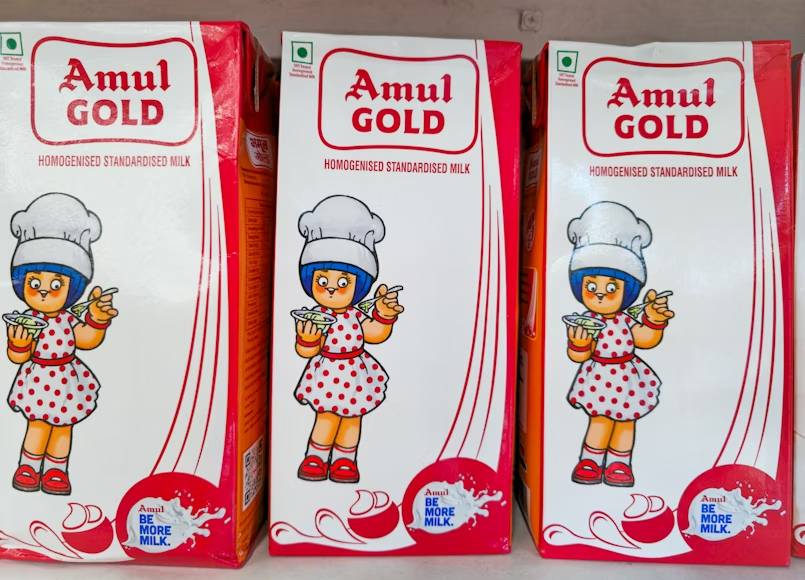
A trademark is any unique sign, word, phrase, logo, design, number, sound, or even color combination that identifies the source of goods or services. It represents the goodwill a business earns in the market — think of the Nike swoosh, Amul girl, or Tata logo. Under the Act, trademarks can be registered for goods (Class 1–34) and services (Class 35–45) based on the Nice Classification system. Registration provides the exclusive right to use the mark and prevents others from exploiting a similar one that may cause confusion. Unregistered marks can still claim protection through the common law principle of “passing off,” but registration offers stronger, nationwide legal recognition and easier enforcement.
The Trademark Registration Process
Registering a trademark in India involves several steps designed to ensure uniqueness and legal validity. The process begins with a trademark search on the official IP India portal, checking for similar or identical marks. Once cleared, an application is filed with the Trademark Registry under Section 18, specifying class, representation, and user claim. After filing, the mark undergoes examination for compliance with legal standards — whether it is distinctive, not descriptive, and not similar to existing marks. If objections arise, applicants must respond or attend hearings. Upon acceptance, the mark is advertised in the Trademark Journal for public opposition for four months. If no objections are sustained, it proceeds to registration and a Trademark Registration Certificate is issued, valid for 10 years and renewable indefinitely.
The registration process has become largely digital, allowing e-filing and online tracking through the IP India website. Applicants can authorize trademark agents or lawyers to manage filings, respond to objections, and ensure compliance with timelines. Law Wise routinely handles registrations for startups, SMEs and established corporations, guiding clients through each procedural stage to avoid rejection or delay.
Grounds for Refusal of Registration
Not all marks qualify for protection. Section 9 of the Trademark Act lists absolute grounds for refusal, such as marks that are generic, deceptive, immoral, or descriptive of quality or purpose (e.g., “Creamy Milk” for dairy). Section 11 covers relative grounds, which prohibit marks similar or identical to existing ones that could cause public confusion. For example, registering “Cocola” for beverages would likely be refused due to its resemblance to “Coca-Cola.” Applicants are encouraged to choose distinctive and original names that can stand apart both legally and commercially. Law Wise’s IP team assists clients in brand-name vetting and distinctiveness analysis before filing, ensuring smooth registration.

Rights of a Trademark Owner
Once registered, a trademark owner enjoys exclusive rights under Section 28 to use the mark and take legal action against infringers. The owner can license or assign the mark for commercial benefit, turning intellectual property into a valuable business asset. Infringement occurs when another party uses an identical or deceptively similar mark for similar goods or services, likely to confuse consumers. Remedies include injunctions (to stop use), damages, account of profits, and destruction of infringing goods. Importantly, Section 103 prescribes criminal penalties for counterfeiting, including imprisonment of up to three years and fines up to ₹2 lakh.
The Act also allows for international protection through the Madrid Protocol, to which India acceded in 2013. This enables Indian businesses to register trademarks in multiple member countries with a single application via the World Intellectual Property Organization (WIPO). Conversely, foreign entities can seek protection in India through the same route. Law Wise frequently handles Madrid Protocol filings and coordinates with global partners to protect client trademarks abroad.
Trademark Enforcement and Litigation
Trademark disputes are typically filed before District Courts or the High Courts having jurisdiction over the infringement. Interim injunctions are crucial — courts often grant them swiftly to prevent continued misuse while the case is pending. Law Wise’s litigation team has successfully secured injunctions and damages for clients facing counterfeiting or misuse of brand identity. In recent years, Indian courts have shown strong pro-IP trends, recognizing trademarks as economic assets critical to fair trade. Notable judgments, such as Cadila Healthcare v. Cadila Pharmaceuticals (2001) and Toyota Jidosha v. Prius Auto Industries (2018), have emphasized consumer confusion and trans-border reputation in determining infringement.
Besides litigation, administrative measures like Customs Recordation under the Intellectual Property Rights (Imported Goods) Enforcement Rules, 2007 allow brand owners to register trademarks with Indian Customs to prevent import of counterfeit goods. This proactive protection helps multinational brands maintain product authenticity across borders.
Renewal, Assignment and Licensing
Trademark registration is valid for 10 years and renewable indefinitely under Section 25. Renewal applications should be filed within six months before expiry. Failure to renew leads to removal from the register but can be restored within a year with a surcharge. Trademarks can also be assigned or licensed, transferring ownership or usage rights partially or wholly. Assignments must be recorded with the Registrar to take effect legally. Law Wise assists clients with drafting assignment deeds, licensing agreements, and franchise documentation to monetize intellectual property securely.
Passing Off and Unregistered Marks
Even without registration, businesses may protect their mark under the common-law doctrine of passing off — where one party’s misrepresentation causes harm to another’s goodwill. Passing-off suits require proof of reputation, misrepresentation, and damage. This protection often benefits smaller businesses using marks regionally before registration. The Delhi High Court, in S. Syed Mohideen v. P. Sulochana Bai (2016), reaffirmed that passing off is an independent remedy available regardless of registration. Law Wise’s IP team leverages both statutory and common-law remedies to ensure comprehensive brand protection.
Why Trademark Protection Matters
Trademarks are not just legal shields; they are marketing tools that build trust, recognition and customer loyalty. Infringement erodes this value, dilutes brand equity and can lead to consumer deception. In an era of online marketplaces and counterfeit products, proactive registration and enforcement are indispensable. A single trademark can embody decades of investment in reputation — protecting it safeguards the future of your business.
How Law Wise Helps
At Law Wise, our Trademark Law Team — led by Advocate Akash Janghu — provides end-to-end trademark protection services: from registration and opposition to enforcement and licensing. We conduct trademark searches, file and track applications, handle hearings before the Trademark Registry, and represent clients in infringement suits before courts. For businesses expanding globally, we assist with Madrid Protocol filings and IP audits. Our approach combines legal precision with brand strategy, ensuring that your trademark isn’t just registered — it’s respected.
For startups, SMEs and established corporations alike, we recommend regular trademark monitoring to detect potential infringements early. Our team uses digital surveillance tools to flag unauthorized use and initiate takedown actions on e-commerce platforms. We also collaborate with law enforcement for anti-counterfeiting raids when necessary.
Conclusion
The Trademark Act, 1999 embodies India’s commitment to protecting intellectual creativity and commercial identity. It bridges the gap between innovation and law, ensuring that effort, originality and brand reputation are not exploited unfairly. In a world where imitation is easy but originality is priceless, trademark law stands as a safeguard for those who create. To register or defend your trademark effectively, expert legal guidance is crucial. At Law Wise, we make IP protection simple, strategic and secure. To schedule a consultation with our trademark lawyers, visit our Law Wise Contact Page. Protect your name — because in law and business alike, your name is your legacy.

.png)